
Fortune, Misfortune, and Responsibility
Bullet TrainThe novel contrasts characters who blame chance, trust it, or accept responsibility for what they do within uncertain circumstances.
increasing Bearing strength in each event
 decreasing
Bearing strength in each eventdecreasingNanao’s Explanation

Nanao’s Explanation
Misfortune as identity
Nanao attributes mishaps to a persistent personal curse. His experiences make the idea emotionally persuasive, even when each setback has a practical cause.
This explanation can help him keep moving, but it risks replacing analysis with resignation. Maria’s teasing challenges him without fully disproving the pattern he perceives.
The Prince’s Confidence
The Prince’s Confidence
Success treated as destiny
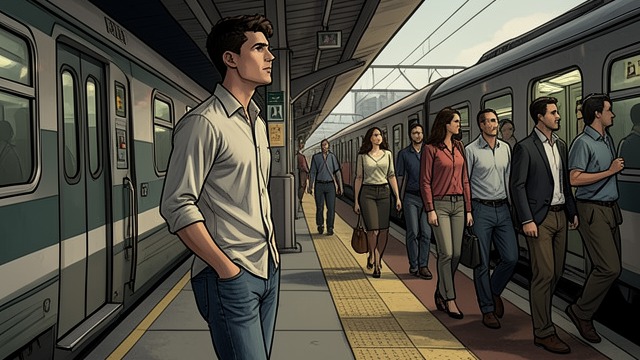
The Prince interprets fortunate outcomes as proof that he will escape consequences. He expects other people to follow his scripts and treats their failures as evidence of his own superiority.
The confidence is not the same as control. The snake, the arriving grandparents, and the display message introduce events he did not plan and cannot immediately explain.
The Cost of Blame
The Cost of Blame
Chance does not absolve action
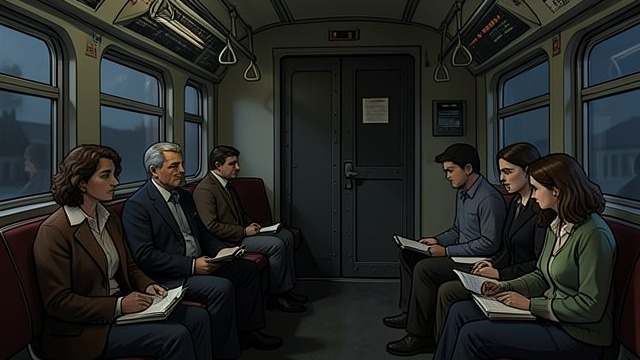
The train’s apparent accidents include intentional violence, careless choices, and genuine contingency. Characters repeatedly use luck to explain outcomes, but the consequences still fall on particular people.
Nanao’s later prize offers a light reversal rather than a moral verdict. The novel leaves him with uncertainty, suggesting that acknowledging chance need not erase personal responsibility.
Before and during the opening stages of the job
During the train journey, before the confrontation at Morioka
At Morioka and in the later supermarket scene
